

Local Context
Sewer or Septic in the Town of Buchanan?
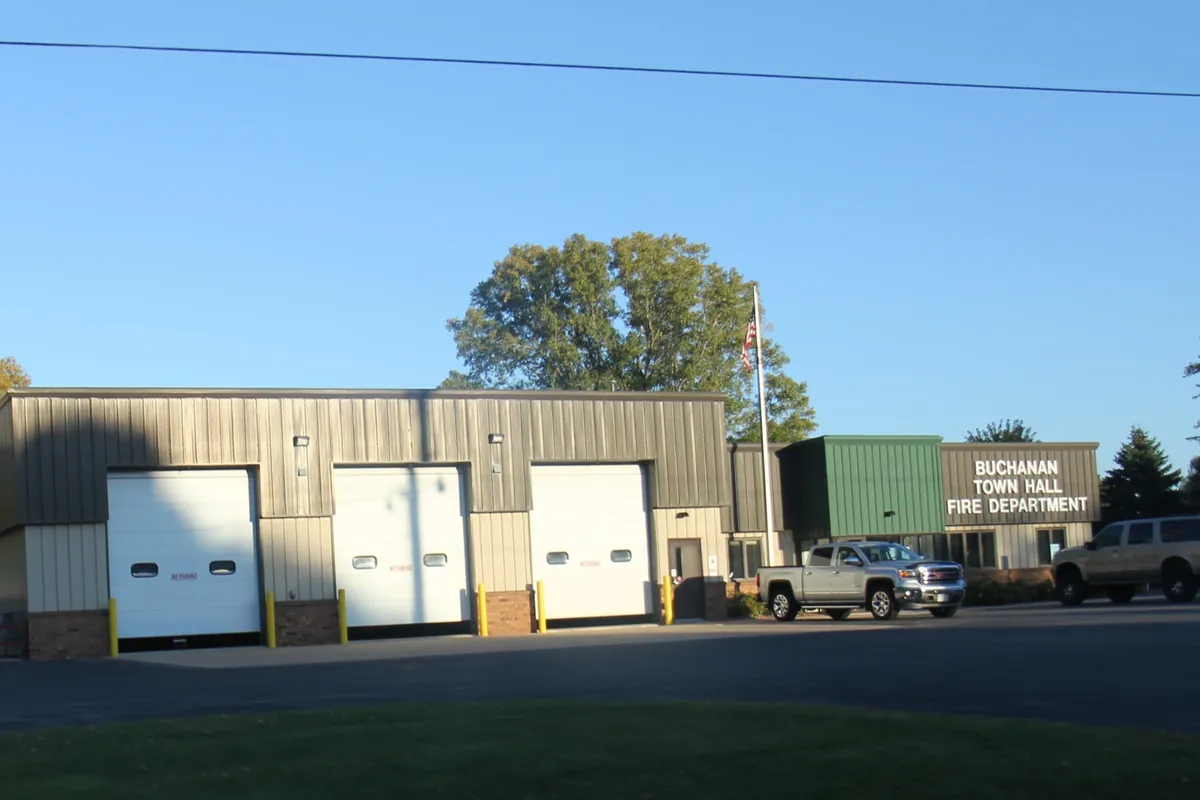
Part of the Town of Buchanan is on public sewer. The Darboy Joint Sanitary District No. 1 serves the urbanized areas of the town, along with parts of Harrison, Kimberly and Appleton. Its service area runs from County CE on the north to Manitowoc Road on the south, between Highway 441 on the west and DeBruin and Highline roads on the east (Darboy Sanitary District). Rural parcels outside the district rely on private onsite wastewater treatment systems (POWTS). Before you plan a Buchanan septic installation, confirm with the district or the town office whether your lot is inside it; if it is, you may be required to connect instead.
The district dates from the early 1980s: local farmers petitioned for it in the 1970s, and construction finished in 1984 (Wikipedia: Darboy). From there, the district's wastewater goes to the Heart of the Valley sewerage district for treatment (Village of Combined Locks). When the Village of Harrison incorporated in 2013, it took in a portion of the town (Wikipedia: Harrison (village)), so an older permit near the town line may say Buchanan even if the parcel is now in Harrison. Outside the district, every Buchanan septic installation starts with the soil test, because the soil decides whether the lot can take a conventional system, an at-grade, a mound or, as a last resort, a holding tank.
How It Works
The Installation Process, Step by Step
1. Soil evaluation
A certified soil tester digs test pits and records soil type, depth to bedrock and seasonal high groundwater. That evaluation decides which system the lot can support.
2. Choosing the system type
- Conventional in-ground: for deep soil that drains neither too fast nor too slowly.
- At-grade or mound: where soil is shallow, drains too slowly or too fast, or groundwater is high. A mound builds the treatment bed up on imported sand over the native soil (EPA's mound fact sheet); our mound system repair page explains how they work.
- Holding tank: the fallback when the lot can't take any treatment system at all.
3. Design and plan review
The system is designed to the house's bedroom count and the soil report, then submitted for plan review where required.
4. Sanitary permit
Outagamie County Development & Land Services administers sanitary systems in the county, and a sanitary permit is required before any construction begins (Outagamie County Land Use, Zoning, and Sanitary). No installation starts without that permit.
5. Installation and inspection
We set the tank, pump chamber and soil absorption component, the county inspects before backfill, and the site is graded and seeded to finish.
6. Maintenance from day one
From the day it's finished, the system is on the county's maintenance list. It needs an inspection at least every three years (Wisconsin DSPS) and servicing on whatever schedule its management plan sets (SPS 383.54), and those are two separate things. You get the management plan and service schedule at handover.
The soil, the system type and how easily equipment can reach the site drive what an installation costs, and the first two aren't settled until the soil evaluation shows what the lot needs.

Replacement
Replacing a Failed System
Replacement follows the same steps, with two differences: the old tank must be properly abandoned, and timing matters if you're working to a county order to fix a failing system. The work then has to be planned to the deadline in that order, with the county kept up to date. Our septic system installation and replacement page shows who issues permits in each Fox Valley county.
Paying for it: the state's Wisconsin Fund grant, which once helped some owners replace failing systems, ended with the 2022-2023 biennium and has no funding to accept new applications (Wisconsin DSPS, Wisconsin Fund). If a county order is driving the replacement, book the soil test early, so the price of the job is settled well ahead of the order's deadline.
FAQ
Buchanan Septic Installation FAQ
How long does a new installation take?
The soil test, design, plan review and permit come first and can take several weeks. Installation itself usually takes a few days, depending on weather and inspections.
Can I install a septic system in winter?
Soil evaluations and installs are harder when the ground is frozen. Many projects are scheduled for spring through fall; we'll advise for your site.
My lot failed for a conventional system. What now?
Many lots that can't take an in-ground system can take an at-grade or mound. A holding tank is the last resort.
Do you handle the paperwork?
Yes: soil report coordination, plan submittal, the county sanitary permit and inspection scheduling.
What size system does my house need?
Sizing is based mainly on the number of bedrooms and the soil. The design sets the tank and absorption area sizes.